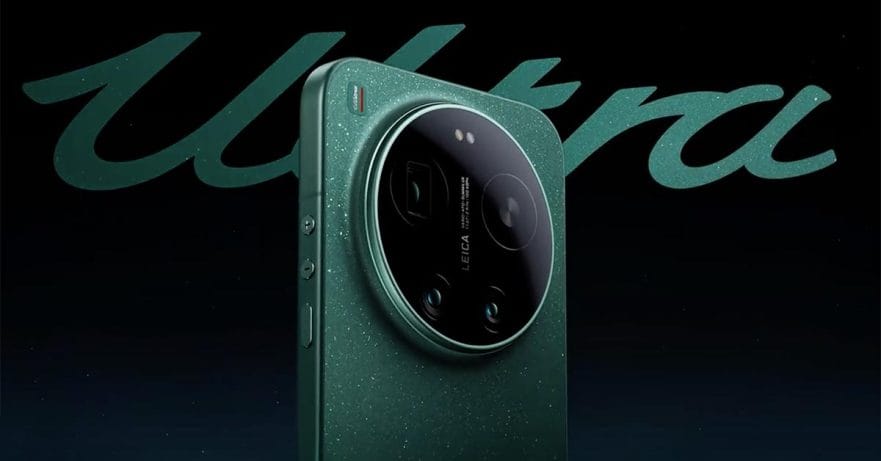
The year’s most anticipated camera, which just happens to make phone calls, is officially arriving on Christmas Day.

After weeks of leaks and speculation, Xiaomi finally dropped a teaser video on Weibo confirming that the Xiaomi 17 Ultra will officially launch in China on December 25, 2025. It’s a bold move to schedule a major flagship event on a holiday, but with the hardware it’s teasing, the company seems intent on positioning the Ultra as the ultimate holiday offering.
The video didn’t just give us a date; it also revealed a new hero color called “Starry Green.” From the brief glimpses we saw, this isn’t your typical matte forest green. Xiaomi appears to be aiming for a textured, shimmering finish to set one of the Ultra colorways apart from the other Xiaomi 17 series models. The other options are black and white.
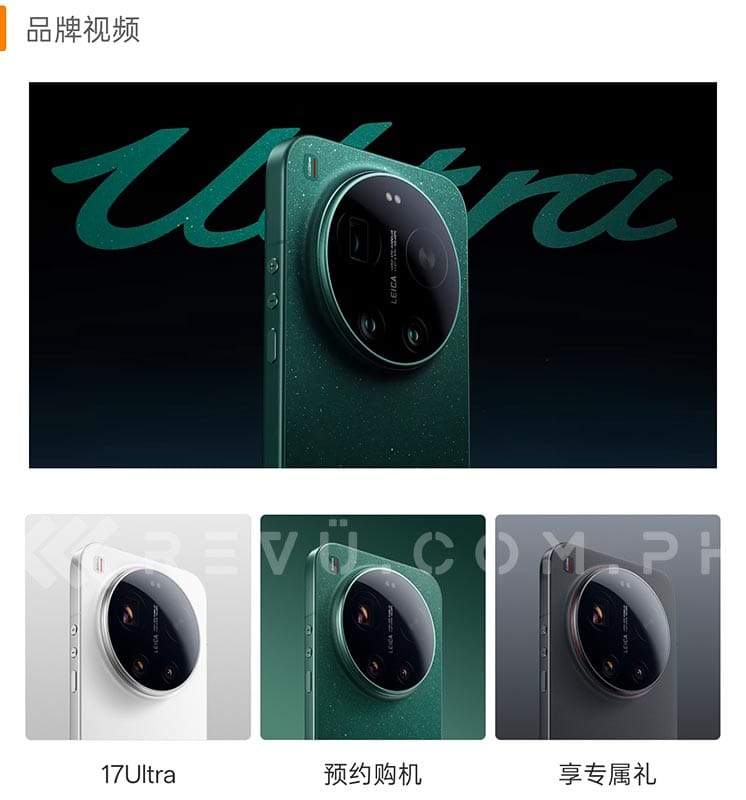
And it looks like the brand is ditching the aggressive curves. The Xiaomi 17 Ultra is moving to a flat display with large, rounded corners (micro-curves on the glass, likely, but a flat panel underneath). For anyone who has accidentally triggered a menu while trying to take a photo one-handed, this is a huge win for ergonomics.
Around the back, the large circular camera island remains — it is a Xiaomi Ultra, after all — but it’s slightly smaller this time around. The company also killed off the secondary rear-screen concept.
One neat detail for the tactility nerds: The volume rocker is gone, replaced by separate circular keys. It’s a minor change, but it usually makes a smartphone feel much more mechanical and premium.
Here is where things get interesting. Last year’s Ultra had a quad-camera setup. The Xiaomi 17 Ultra is reportedly dropping down to three lenses, but the capabilities are actually going up. How does that work? It’s all about that periscope.
Xiaomi is equipping the device with a 200-megapixel Samsung periscope telephoto lens. The high megapixel count combined with a larger sensor allows for “continuous optical zoom.” Essentially, one really good lens can now do the job of the two telephoto lenses — usually a 3x and a 5x — we saw on previous models, but with better clarity across the entire range. It’s certified with Leica APO optics, which should virtually eliminate chromatic aberration, or that purple fringing you see in high-contrast photos.
The main shooter is getting an upgrade, too. It’s using a 1-inch OmniVision OV50X sensor. The buzzword you need to know here is “Lateral Overflow Integration Capacitor.” Without getting too bogged down in the engineering, LOFIC solves the problem of overexposure in bright conditions. It preserves highlight details in high-dynamic-range scenes — think neon signs at night or fireworks — which aligns perfectly with Xiaomi’s “night photography champion” marketing.
Under the hood, you’re looking at the Qualcomm Snapdragon 8 Elite Gen 5 processor, paired with a 6,800mAh battery. Fitting a battery that big into a phone this size usually requires silicon-carbon technology, which allows for higher density in a smaller footprint. It supports 100-watt wired and 80-watt wireless charging, so that massive tank should fill up quickly.
SEE ALSO: Bad news: 2026 phones, other gadgets to cost more but do less
The bad news? It’s going to cost you. Xiaomi chief executive officer Lei Jun has already confirmed the pricing is going up due to component costs. The expected starting price in China is 6,999 yuan. That’s roughly $994 or 58,333 Philippine pesos. But don’t get too excited by that number. Once you factor in local taxes and duties, we might be looking at a starting price well over P65,000 ($1,107) if and when it lands on our shores.
We’ll have the full official details when the livestream kicks off on Christmas Day. Until then, you can check out the teaser on this page.
Learn About This Author