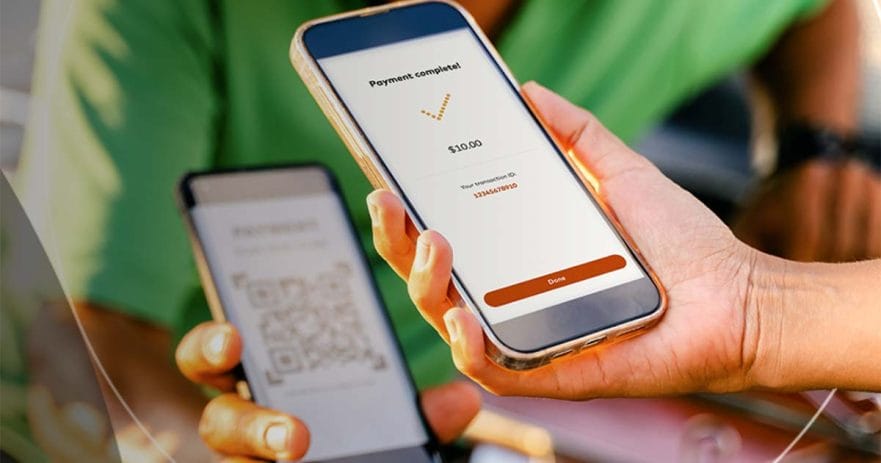
For millions of Filipinos, paying via e-wallet is a daily reflex, but using that same digital balance seamlessly outside the country has historically been a fragmented experience. Mastercard is aiming to solve this backend plumbing issue with the launch of Mastercard Wallet Pay, a global portfolio of solutions designed to foster interoperability and innovation for digital wallets across contactless (NFC) payments, QR codes, and online transactions.
This infrastructure push comes as digital wallets evolve into multiservice financial platforms that currently serve more than 4.3 billion users worldwide — a figure projected to surpass 6 billion by 2030. Rather than launching a competing consumer app, Mastercard Wallet Pay acts as a behind-the-scenes engine, empowering existing wallet providers to deliver frictionless experiences ranging from everyday local spending to cross-border transfers.

In the Philippines, the most notable connection to this rollout is GCash, facilitated through Mastercard’s collaboration with Alipay+. Alipay+ serves as the global wallet gateway for Ant International and supports partner wallets including GCash, AlipayHK, KakaoPay, TNG eWallet, and TrueMoney. By plugging into Alipay+, which connects more than 50 e-wallets and banking apps globally, these wallet providers can connect to Mastercard Wallet Pay at scale.
On Mastercard’s Wallet Pay
For local consumers, this integration paves the way for broader functionality and less friction when traveling or shopping internationally. “Through the Alipay+ and Mastercard partnership, we can extend secure global acceptance and new digital experiences to our users, reinforcing our leadership in payments,” said Ren-Ren Reyes, president and CEO of G-Xchange, the mobile wallet operator of GCash. Reyes emphasized that Mastercard’s infrastructure allows GCash to scale responsibly and deliver world-class technology to Filipinos.
SEE ALSO: How to get ₱1,500 cashback with Visa and Google Pay in the Philippines
By leveraging cloud-based payments and Mastercard’s global acceptance network, wallet providers can activate these new use cases without making significant changes to their own infrastructure. The Wallet Pay portfolio upgrades digital wallets through several core capabilities:
- Borderless interoperability. The technology enables smooth connections between different wallets across borders, platforms, and payment types.
- Accelerated money movement. It facilitates fast transfers between cards, wallets, or accounts across more than 200 countries and territories and 150 currencies.
- Unified digital experiences. Merchants can accept payments from cards and wallets in person and online, allowing more than 3.7 billion Mastercard credentials to connect to digital wallets.
- Secure issuing. The platform supports providers in launching their own credit, debit, or prepaid card programs to unlock new revenue streams.
Beyond convenience for international travelers and online shoppers, Mastercard designed Wallet Pay to expand access to essential financial tools. The solutions are engineered to deliver low-cost financial tools to unbanked and underbanked consumers, directly supporting digital inclusion in emerging regions.
As the digital wallet sector moves past its initial adoption phase, the next critical hurdle is interoperability. By allowing familiar local apps to communicate seamlessly with a massive global network, Mastercard is attempting to make digital wallets as universally accepted as traditional payment cards.
Learn About This Author