
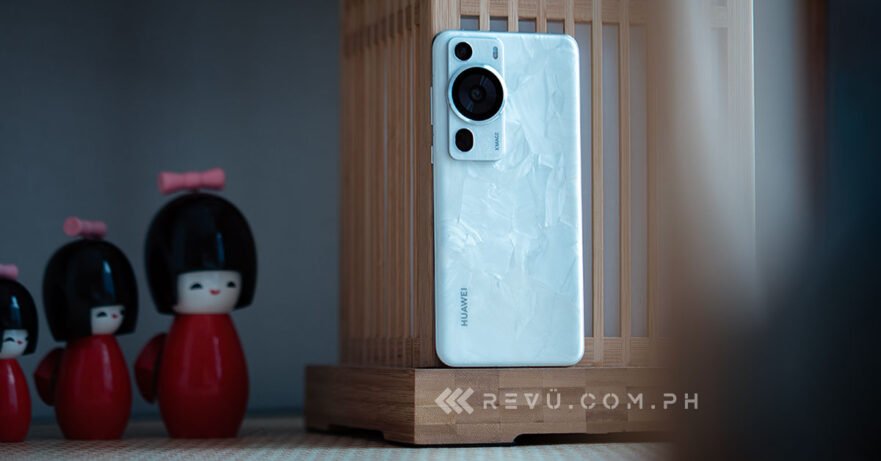
The Huawei P60 Pro, the newly crowned king of mobile photography according to camera-ratings website Dxomark, will be available for preorder in the Philippines together with the Huawei Mate X3 foldable smartphone beginning tomorrow, May 12.
Locally, Huawei‘s flagship camera phone starts at P58,999 (around $1,059 converted) for 8GB RAM and 256GB of storage, while the 12GB/512GB variant of the P60 Pro is priced at P69,999 ($1,257). It will be available for purchase via installment payments for up to 24 months with zero interest. Home Credit financing options for up to 18 months with no interest charges are available as well.

The local preorder period ends May 25. Early adopters will receive a 46mm edition of the Huawei Watch GT 3 smartwatch worth P12,999 ($233) plus a year of extended warranty valued at P3,999 ($72). Customers can also trade in their old handset from any brand for a Huawei P60 Pro unit and get up to an P8,000 ($144) voucher they can use for their purchase.
The color options here are Black and the Rococo-style-inspired Rococo Pearl. The latter incorporates natural mineral pearl powder to achieve its one-of-a-kind look and feel.
The Huawei P60 Pro sports a layer of Kunlun Glass screen protection on top of its quad-curve LTPO display, which operates up to 120Hz. Made using a special manufacturing process that includes 108 different procedures, including 24 hours of glass curing and a 1,600-degree melting process, Kunlun Glass is said to be up to 10 times more durable than regular screen glass and boasts a five-star drop-resistance rating from Switzerland’s SGS certification company.
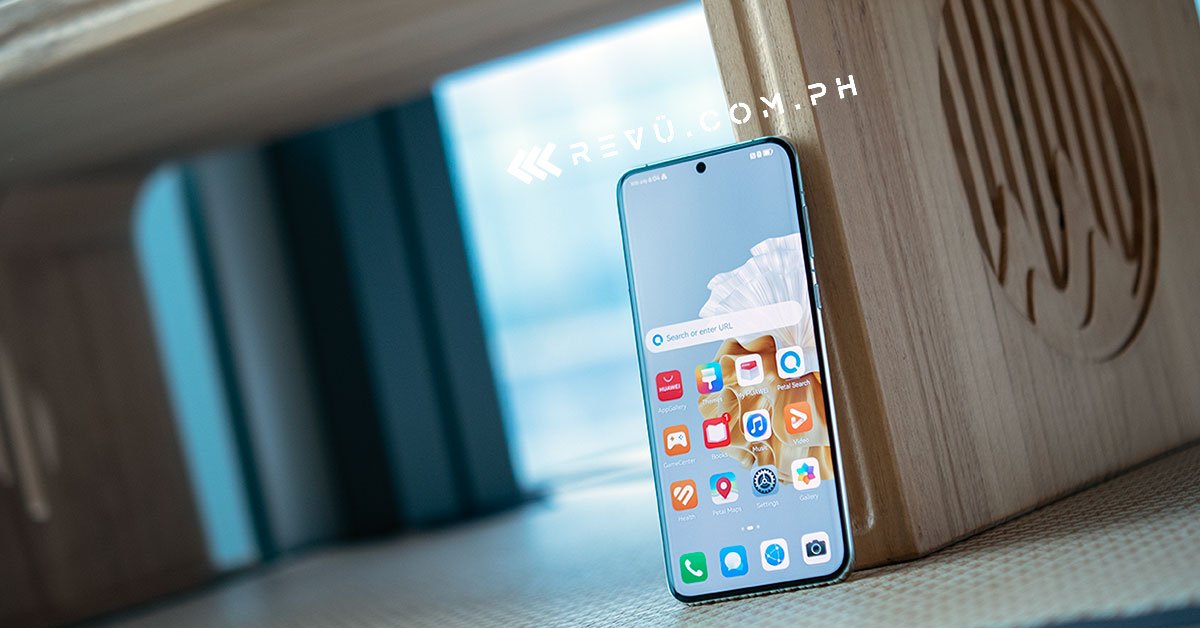
With Kunlun Glass screen protection
But the biggest highlight here — at least in our opinion — is the rear-facing imaging system that features a pair of 48-megapixel RYYB image sensors, including one behind a periscope telephoto lens. The main camera comes with f/1.4 to f/4.0 10-step variable physical aperture.
The newly launched smartphone topped Dxomark’s camera test with 156 points, a full three points higher than the OPPO Find X6 Pro, which now sits in second place in the latest Dxomark rankings.
Picture shot on the Huawei P60 Pro near the technology giant’s flagship experience store in Bantian District, Shenzhen, China. For coverages and other updates, follow our accounts on Instagram, TikTok, Facebook, and YouTube
Huawei P60 Pro specs
- 6.67-inch curved LTPO display, FHD+ resolution, 120Hz refresh rate, 1,440Hz PWM dimming, 300Hz touch sampling, 10-bit colors
- 4nm Qualcomm Snapdragon 8 Plus Gen processor with 4G
- Adreno 730 GPU
- 8GB/12GB LPDDR5 RAM
- 256GB/512GB storage
- Triple 48-megapixel main with variable-aperture lens, 13-megapixel ultrawide, 48-megapixel periscope telephoto with f/2.1 lens rear cameras
- 13-megapixel front camera
- Under-display fingerprint reader
- 4,815mAh battery with 88-watt fast wired charging, 50-watt fast wireless charging
- HarmonyOS 3.1
- IP68 rating
- Colors: Black and Rococo Pearl
Share this Post
Learn About This Author
