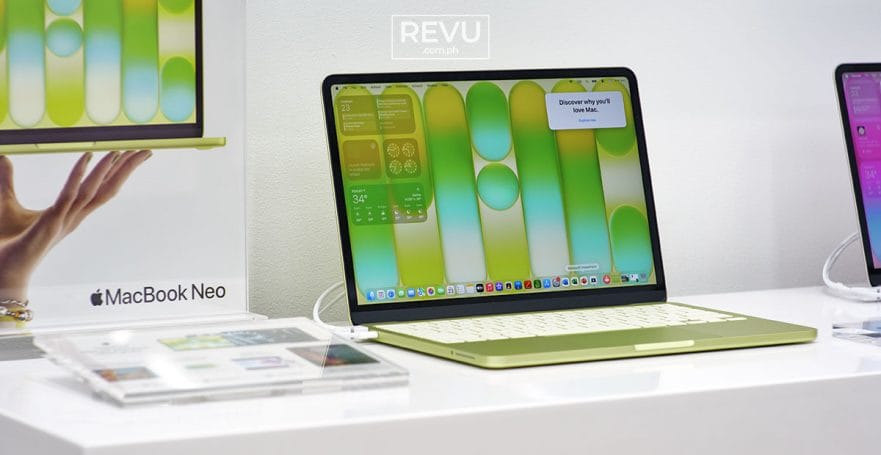
After a solid nine-quarter streak of growth, the global PC market has now run out of steam. Worldwide shipments fell 4.9% year over year in the second quarter of 2026, dropping to 68.2 million units.

The main culprit is a relentless memory chip shortage that is choking supply chains, forcing vendors to hike prices, and leaving consumers bearing the brunt. Yet, while most of the industry struggled in Q2, Apple managed to post double-digit growth, largely driven by strategic pricing and the explosive debut of the MacBook Neo.
The 2026 RAM crisis, explained
The technology industry is currently grappling with a significant component shortage, primarily affecting memory (RAM) and solid‑state storage. According to market analysts at IDC, this shortage is expected to persist until early 2028.
This has created a bizarre dynamic in the market: shipments are declining, but revenues are rising. Because component costs have increased, Windows PC manufacturers are passing those price hikes directly on to buyers more quickly than consumer demand is contracting.
It is also triggering a fierce battle for scale. Heavyweights like Lenovo and Dell are leveraging their vast purchasing power across other divisions — such as servers and smartphones — to secure what little memory supply remains, effectively squeezing smaller brands out of the negotiation room.
The Apple MacBook Neo Effect
While Windows PC manufacturers were forced to raise laptop prices mid‑quarter, Apple played the waiting game. The company delayed its own price adjustments until the very end of June, effectively absorbing the quarter’s demand from buyers looking to dodge the hikes.
Pricing strategy is only half the story. Apple’s Q2 success was heavily anchored by the MacBook Neo. Positioned as an ultra‑accessible entry point into the macOS ecosystem — reportedly hitting the $599 mark — the 13‑inch laptop gave Apple a massive edge in a market where budget options are rapidly disappearing.
The result? The Cupertino giant shipped 6.7 million Macs in Q2 2026, a 10.1% increase from the same period last year, pushing its overall market share to nearly 10%.
Q2 2026 PC shipments by the numbers
Overall, the global market shrank from 71.7 million units in Q2 2025 down to 68.2 million. Here is how the top five vendors stacked up as the dust settled:
| Vendor | Q2 2026 Shipments | Year-Over-Year Growth | Current Market Share |
|---|---|---|---|
| Lenovo | 16.6 million | Declined (from 17 million) | 24.4% |
| HP | 13.0 million | Declined (from 14.3 million) | 19.1% |
| Dell | 9.3 million | Declined (from 9.8 million) | 13.6% |
| Apple | 6.7 million | Grew 10.1% | 9.9% |
| ASUS | 5.0 million | Flat (+0.2%) | 7.4% |
How the top 5 PC brands performed in Q2 2026, according to IDC. Note: ASUS managed to grow its market share from 7% to 7.4% despite essentially flat shipments, simply because the rest of the market shrank around it
Looking ahead, industry trackers are bracing for a sharp slowdown in the second half of 2026. With PC makers warning of further price hikes heading into 2027 and retail channels sitting on expensive inventory, the hardware upgrade cycle for the average consumer may be on hold for the foreseeable future.
Learn About This Author