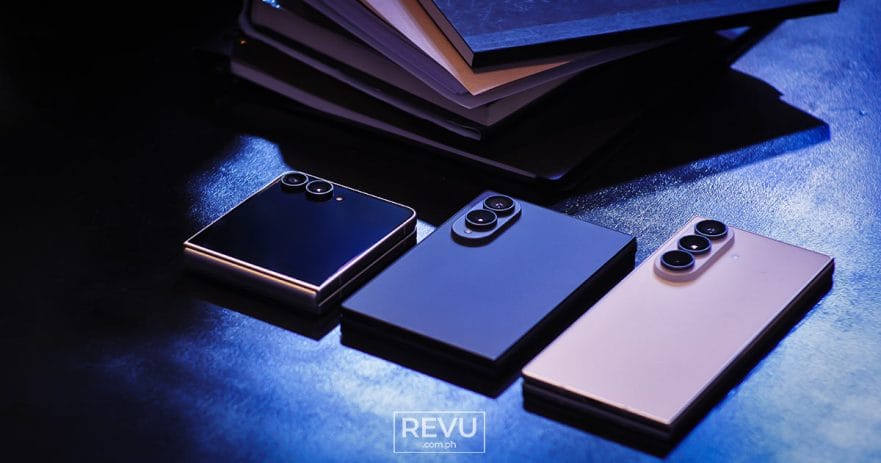
If you thought foldable phones had plateaued, think again. The global foldable smartphone market is projected to grow by 21% year-over-year in 2026, fueled by tightening competition and Apple’s highly anticipated entry into the space.

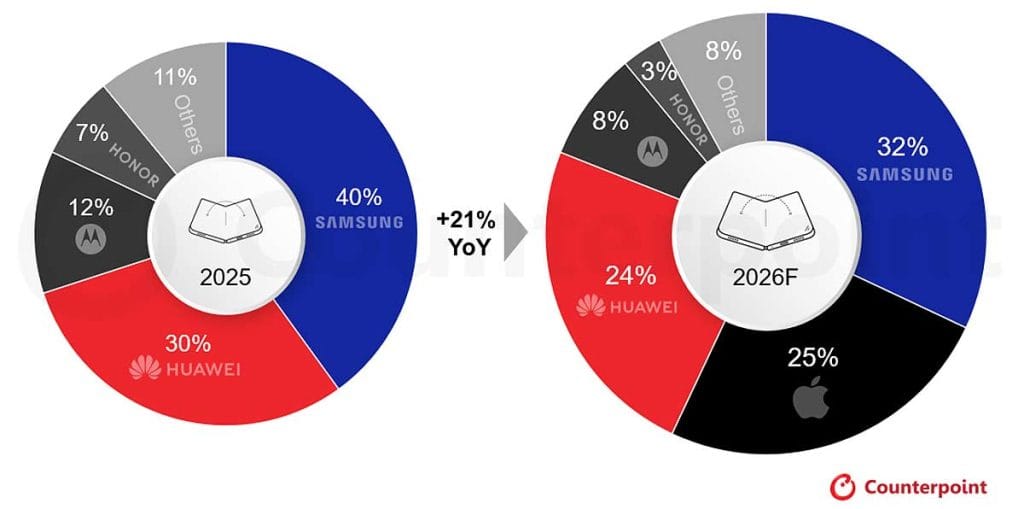
According to fresh forecast data from Counterpoint Research, the market is expanding as premium buyers demand more screen real estate. The top five foldable brands of 2026 will be Samsung (32%), Apple (25%), HUAWEI (24%), Motorola (8%), and HONOR (3%).
Here is a closer look at how the foldable landscape is shifting, and why the battle for your pocket is about to get a lot more interesting.
The 2026 foldable hierarchy
For years, Samsung effectively owned the folding screen space by default. But 2026 is shaping up to be highly competitive. Counterpoint’s forecast shows that while the South Korean technology giant will retain its No. 1 spot, its market share will take a hit, dropping from 40% in 2025 down to 32%.
Why the dip? Two words: Apple and HUAWEI.
| Rank | Brand | Projected 2026 Market Share | Context |
|---|---|---|---|
| 1 | Samsung | 32% | Retains the crown but loses ground as new players enter. |
| 2 | Apple | 25% | Expected to capture a quarter of the market in its debut year. |
| 3 | HUAWEI | 24% | Remains aggressively dominant, particularly in the Chinese market. |
| 4 | Motorola | 8% | Holding steady with lifestyle-focused, aggressively priced clamshells. |
| 5 | HONOR | 3% | Rounding out the top five with ultra-thin hardware designs. |
Apple is finally throwing its hat into the ring, and analysts expect it to immediately snatch a 25% slice of the pie in its very first year. Right on its heels is HUAWEI at 24%, proving that despite relentless global headwinds, its hardware remains highly coveted.
The evolution of the foldable form factor
If you want to know how Samsung plans to defend its market share, look at the hardware it launched yesterday.
Samsung just rolled out its new foldable trio: the Galaxy Z Fold8 Ultra, the standard Galaxy Z Fold8, and the clamshell Galaxy Z Flip8. The company is pivoting from incremental tweaks to structural overhauls, introducing a new Flex Titanium display architecture meant to minimize the screen crease and improve durability.
More importantly, it is changing its approach to design. The standard Galaxy Z Fold8 ditched the tall, narrow aspect ratio Samsung has relied on for years in favor of a shorter, wider footprint.
But Samsung is largely playing catch-up to Chinese manufacturers here. OPPO actually pioneered this wider, “passport-style” foldable with the Find N back in 2021, and Google brought the shape to a global audience with the Pixel Fold in 2023.
And you cannot talk about foldable hardware without looking at HUAWEI. While Samsung gets the credit for mainstreaming the category, HUAWEI co-pioneered the foldable market back in 2019. More recently, HUAWEI drove the industry’s obsession with ultra-thin designs — proving with the Mate X Series that book-style foldables did not have to be heavy, bulky bricks — and pushed the boundaries with the world’s first tri-fold display. It even applied this wider-is-better philosophy to the clamshell space with the Pura X lineup, ditching the tall flip-phone standard for a wider 16:10 aspect ratio that feels more like a pocketable mini-tablet.
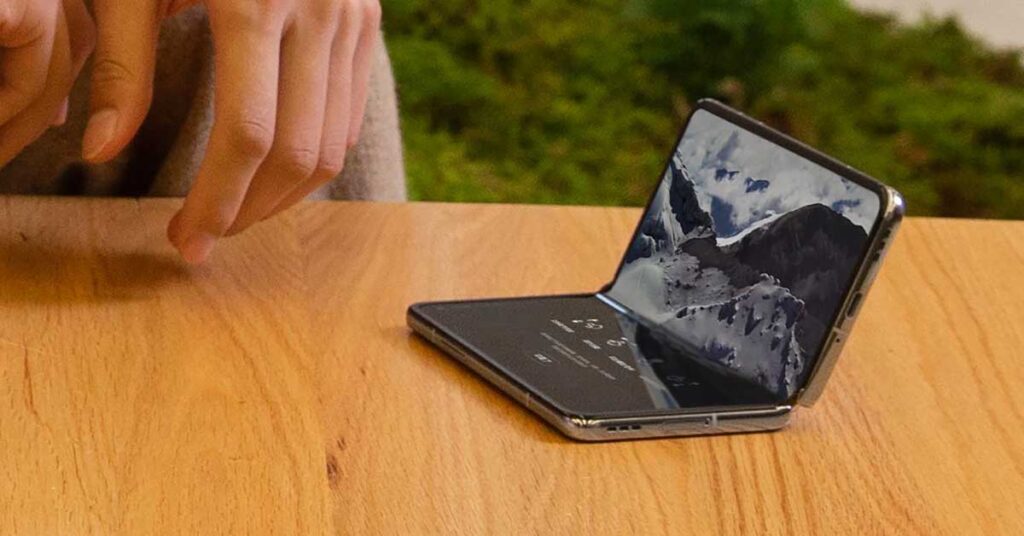
By finally adopting this wider shape for the standard Fold8, and equipping the Fold8 Ultra with a 200-megapixel main sensor, Samsung is directly addressing the two most persistent complaints about its past devices: awkward aspect ratios and lagging camera hardware.
The real driver: Artificial intelligence
There is a bigger trend driving this 21% growth, and it goes beyond hardware. It comes down to AI.
Generative AI features are moving out of simple chat boxes and into daily workflows. Users are summarizing large documents, editing photos on the fly, and dragging information across multiple apps simultaneously. You simply cannot do that comfortably on a standard 6-inch unit.
As Counterpoint Research notes, wider book-style foldables are becoming the ultimate canvas for these AI assistants. The industry’s shift toward wider 4:3 inner displays is a necessary hardware evolution to make on-device AI practical.
Apple’s impending arrival will undeniably legitimize the foldable category for the mainstream holdouts. But as yesterday’s Galaxy Unpacked showed, the established players are rapidly adapting their hardware to ensure they don’t get left behind.
Learn About This Author