Do you remember the last time you sat through a movie or TV show on cable TV? We don’t.
We cut the cord months ago, and our crystal ball predicts we’re never going back now that decent subscription-based video-on-demand services have made their way to the Philippines. For your own setup at home, you may want to consider a streaming box like the ones reviewed on the Coolest Gadgets website.
That’s just us. We know that not everyone — perhaps even you — is ready to part ways with the cable companies.
We can’t blame you. First, cable TV has newer content. You get access to foreign 24/7 news channels, watch the latest episodes of shows like “Game of Thrones,” and follow the NBA action and other sporting events as they happen.
Second, cable TV is maturing in the country. Some packages even come bundled with digital video recording, HD content, and more channels than you’d care to count.
Third, tie-ups with video-streaming services already exist. Think SkyCable’s partnerships with iWantv and HBO Go.
And fourth, cable TV doesn’t need an Internet connection to work, so it’s still the easiest way to watch your favorite movies and shows on the biggest screen in the house. Let’s face it, quality Internet access remains out of reach for many of us. The Philippines remains at the bottom of the pit when it comes to connection speed.
But just as Spotify and other music apps are starting to change the way Filipinos listen to music, SVOD services will also eventually find their place in more homes in the Philippines. We’ll bet whatever’s left in our bank on it.
Globally, SVOD subscriptions are expected to increase from 20 million in 2010 to roughly 120 million by end of this year, according to Digital TV Research’s report on global OTT [over the top, or the delivery of content on the Internet] TV and video forecasts. That number is believed to rise to 250 million by 2020.
Just as Spotify is starting to change the way Filipinos listen to music, SVOD services will also eventually find their place in more homes in the Philippines.
Our telcos are getting ready to meet that expected demand. You’ve seen Globe Telecom partner with HOOQ, a start-up joint venture between Singtel, Sony Pictures Television, and Warner Bros. Entertainment. You’ve seen PLDT and its mobile subsidiary, Smart Communications, partner with iflix.
Who knows? We just might see U.S. video-streaming company Netflix enter the Philippine market. It’s already in Australia and New Zealand.
What will most likely lure Filipinos to take advantage of SVOD services? Let us count the ways.
1. Subscribing to them is the cheapest and non-douchebag way of watching movies and TV shows on just about every screen available. Cheap because they don’t have installation costs. For example, joining HOOQ and iflix will only set you back P199 and P129 per month, respectively. Non-douchebag because you will not be pirating content, so you’ll avoid tripping over laws as the government implements more ways to curb piracy in the country.
SVOD subscriptions are expected to increase from 20 million in 2010 to roughly 120 million by end of this year. That number is believed to rise to 250 million by 2020.
2. How about more content than you would care to watch? You will have access to libraries of content anytime, anywhere. We’re talking 30,000 hours of programming for HOOQ and 11,000 for iflix at press time — and those numbers will grow, no doubt. Granted, majority of the movies and shows available are dated, but hey, because of our busy schedule, we haven’t even seen that “GOT” episode that had Jon Snow fans all over the world howling like crazy. We appreciate that we can view that at any time our calendar permits.
3. A single account can be used by multiple devices. On HOOQ, for example, up to two users can stream content simultaneously, which lessens cost per device or person. People do not have to share the remote control. You know how it is: In one household, there’s usually more than one phone or tablet, so family members can watch different things on different devices, regardless of where they are.
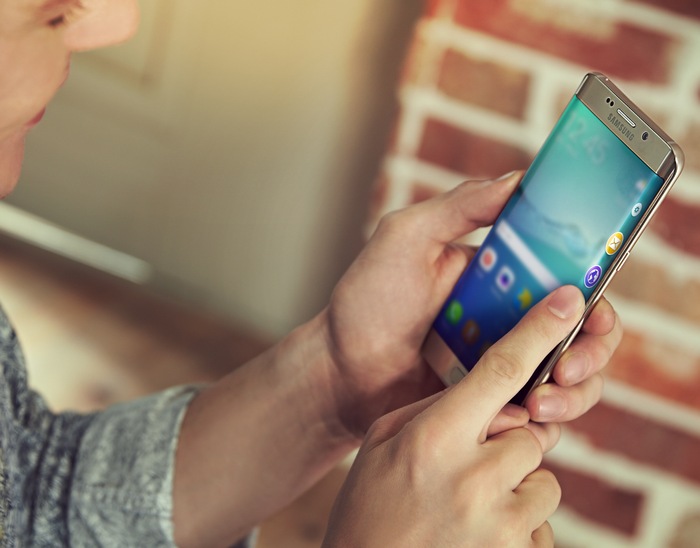
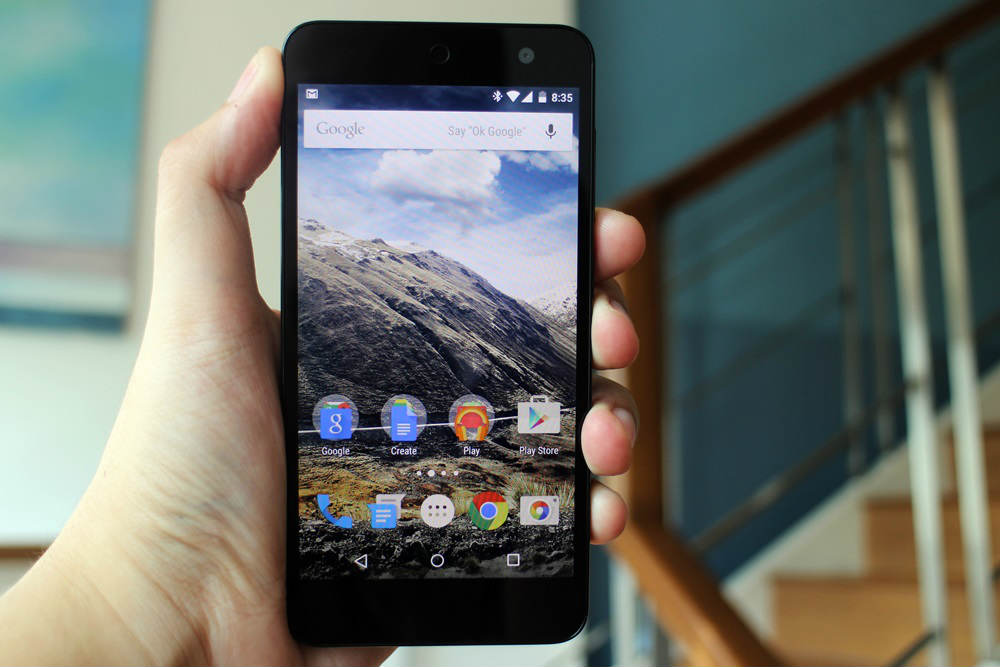
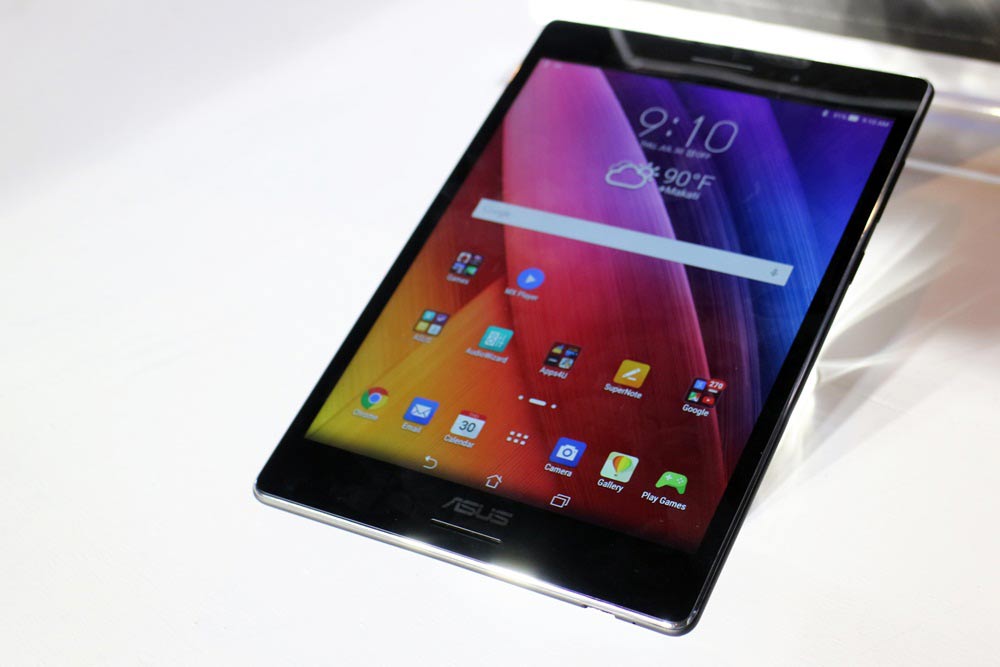
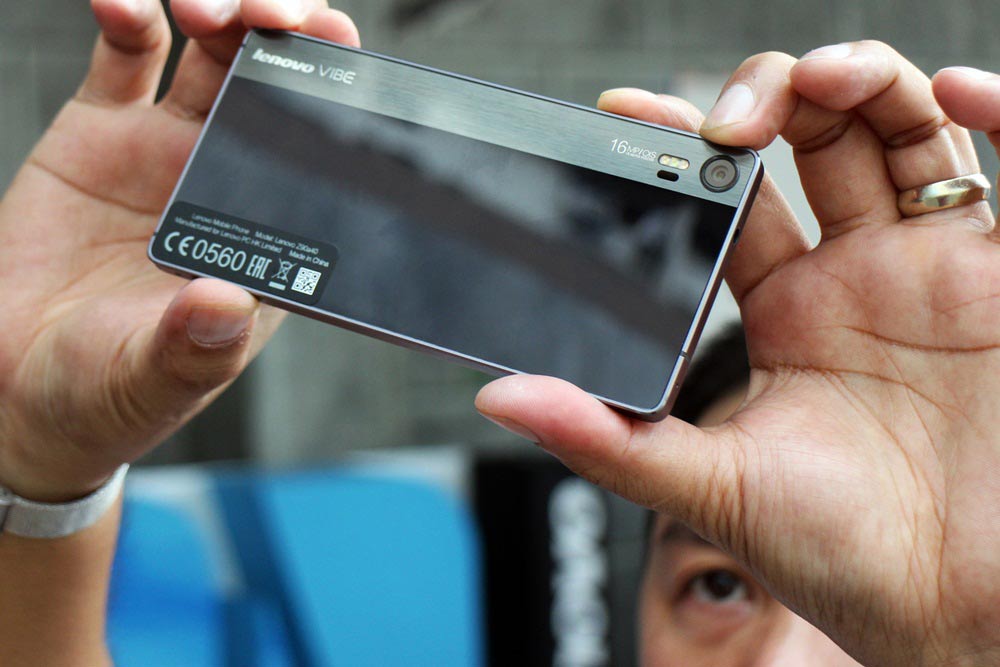
4. SVOD services are available via mobile app and on the Web, perfect for smart TVs and set-top boxes that run Android or iOS. Less wires, no need for an HDMI or VGA connection… In short, less hassle.
Video streaming is still in its infancy in the Philippines, so it may still be too early to pull the plug on cable TV.
5. There’s also the allure of original programming, something we’ve been seeing more of lately, particularly from streaming giant Netflix. Sure, neither HOOQ, iflix, nor any other SVOD provider in the Philippines is producing its own movie or TV show now, but it may happen sooner than you think.
Video streaming is still in its infancy in the Philippines, so it may still be too early to pull the plug on cable TV. But as SVOD services and mobile devices get cheaper because of competition and advancements in technology, there’s no stopping the train to content-streaming subscription. Now, about that decent and affordable Internet connection…
(NOTE: This article originally appeared in the July issue of 2nd Opinion, a magazine with a Philippine circulation.)