HOOQ’s catch-up service streams shows 24 hours after they air

In Games, Apps, and OS by Ramon LopezLeave a Comment

Local teleseryes: They’re a cultural phenomenon, regardless of where the general public’s current broadcast-channel allegiance lies. (It’s still a two-horse race, in my opinion.)

Teleseryes have transcended through the decades and social and religious barriers. They have made us laugh, cry (a lot), and genuinely care about or hate fictional characters, and we have embraced them and welcomed them into our living rooms as part of our daily routine, even if it sometimes meant skipping the dinner table to eat the night’s grub in front of the TV.

Or at least that’s how I remember spending most of my evenings growing up.

The good news is that neither the clogged arteries of Metro Manila nor rains could ruin your teleserye-viewing schedule. HOOQ has made it easier than ever to watch what you want, when you want.

But these days, so many things are happening around me that I can barely keep up with the stuff on my calendar, let alone the TV shows I intend to watch. The unforgiving traffic in Metro Manila alone can sap all your energy and ruin your evening plans, reducing you to a husk of that sprightly person you looked at in the mirror in the morning. It gets worse sometimes: The seemingly endless waiting stretches exponentially when heavy rains trigger flooding.

The sliver of good news is that neither the clogged arteries of Metro Manila nor heavy downpours could ruin your teleserye-viewing schedule.

As I wrote on an earlier post, subscription video-on-demand services such as HOOQ’s have made it easier than ever to watch what you want, when you want, and on almost any type of mobile device, giving you unprecedented freedom over a giant pool of local and foreign content. And, the last time I checked, HOOQ has amassed 30,000 hours of streaming titles, which is more than you’ll get elsewhere.

You can now watch the latest episodes of flagship GMA telenovelas on HOOQ 24 hours after they air in the Philippines.

As impressive as that sounds, HOOQ isn’t nearly done yet introducing exciting new experiences and providing additional value to its customers. In addition to saving videos for offline playback — which is a huge plus, for obvious reasons — you can now watch the latest episodes of flagship GMA telenovelas on HOOQ 24 hours after they air in the Philippines.

That means you can afford to miss their nightly airings without ever really missing anything in the long term. And, yes, HOOQ’s catch-up episodes, as with all its other series, are entirely commercial-free.

Headlining the list of GMA shows included in HOOQ’s catch-up service are primetime soaps “My Faithful Husband” (which stars Dennis Trillo and Jennylyn Mercado) and “Beautiful Strangers” (Lovi Poe and Heart Evangelista). GMA’s long-running drama series, “The Half Sisters,” is also available on catch-up.

I reckon more will be added in the coming months as our viewing habits continue to shift away from free-to-air TV to on-demand platforms. But as it stands, HOOQ has given me another reason for not regretting cutting the cord on TV.

Starmobile Knight Elite is a P9,990 Xperia Z3 lookalike

In Phones by Ramon LopezLeave a Comment

The local market has seen quite a number of great finds in the midrange-phone segment, and, lucky for us, it seems like there’s no end in sight for affordable smartphones with good-to-great specs. Case in point: Starmobile just announced the Starmobile Knight Elite, which is headed to stores on September 15 with a retail price of P9,990.

Not bad for a Snapdragon 615-based handset resembling the Sony Xperia Z3 with some genuinely good specs. Both front and rear panels are layered with Corning Gorilla Glass to give the Knight Elite a more upscale appearance worthy of its namesake.

The Starmobile Knight Elite is headed to stores on September 15 with a retail price of P9,990. Not bad for a Snapdragon 615-based handset resembling the Sony Xperia Z3.

If you fancy yourself a mobile photographer, you’ll be happy to know that the phone comes with a feature-rich camera app that allows you to adjust the focus after the fact, take better flash photos, and capture sharper and more detailed images when using the camera’s zoom feature, among other things.

Starmobile quietly showed off the device at a recent launch event, and based on the short time I had with a prototype unit, the company has plenty of reasons to be optimistic about the next couple of months.

Starmobile Knight Elite specs (Price: P9,990):
* Dual SIM with LTE support
* 1.5GHz 64-bit, octa-core Qualcomm Snapdragon 615 CPU
* Adreno 405 GPU
* 2GB RAM
* 16GB internal storage
* microSD card slot (up to 32GB)
* 5-inch IPS display with Corning Gorilla Glass (1,080 x 1,920 resolution)
* 13-megapixel rear camera with LED flash
* 5-megapixel front camera with LED flash
* 2,600mAh battery
* Android 5.0 Lollipop

Sorry, Apple — Android already has ‘Force Touch’

In Phones by Ramon Lopez3 Comments

Apple’s next iPhone, as previously reported, is slated to debut this week, and the company is all but expected to bring the Force Touch feature found in the Apple Watch and a few MacBooks to its smartphone line.

For those not in the know, Force Touch is Apple’s term for its touch-input technology, which allows a device or machine to differentiate between light taps and harder presses on a touch-sensitive surface. On the Apple Watch, for example, pressing firmly on the screen while in the Messages app brings up additional controls.

It’s helpful — and maybe, in some cases, absolutely necessary in the context of smaller surfaces. Hence the excitement over Force Touch possibly being introduced in iPhones, and later, iPads.

But guess what? The idea of determining the force of a tap is nothing new to Android. In fact, Android has had Force Touch sensing as early as 2009, says Pocketnow. There’s even an app called Force Touch Demo to showcase Android’s touch-sensing capabilities.

The idea of determining the force of a tap is nothing new to Android. In fact, Android has had Force Touch sensing as early as 2009.

Alternatively, you can enable developer settings in the main settings menu, and activate “Show touches” and “Pointer location” to track how much force is being applied to the screen. Do note that not all screens are created equally, so your mileage may vary.

But why isn’t Google making a big fuss out of this, and why aren’t developers coming up with apps that, at least to some extent, make better use of Android’s pressure-sensing feature? Developer Adam Outler, creator of Force Touch Demo, has put together a pretty solid answer. “How is this useful? It’s not, really. It just adds a level of complexity to a user experience,” Outler wrote on his Google+ page.

‘How is this useful? It’s not, really. It just adds a level of complexity to a user experience,’ a developer wrote on his Google+ page.

I’m inclined to agree, seeing that the screen size of Android devices has been steadily expanding over the last few years, as manufacturers continue to find ways to shrink the bezels around the display. Unless, of course, Apple proves yet again that it can reinvent the smartphone, this time with Force Touch.

[youtube link=”https://www.youtube.com/watch?v=qH70ERrkuTA” width=”560″ height=”315″]

OPPO R7 Series to be sold on Lazada PH starting Sept. 15

In Phones by Ramon LopezLeave a Comment

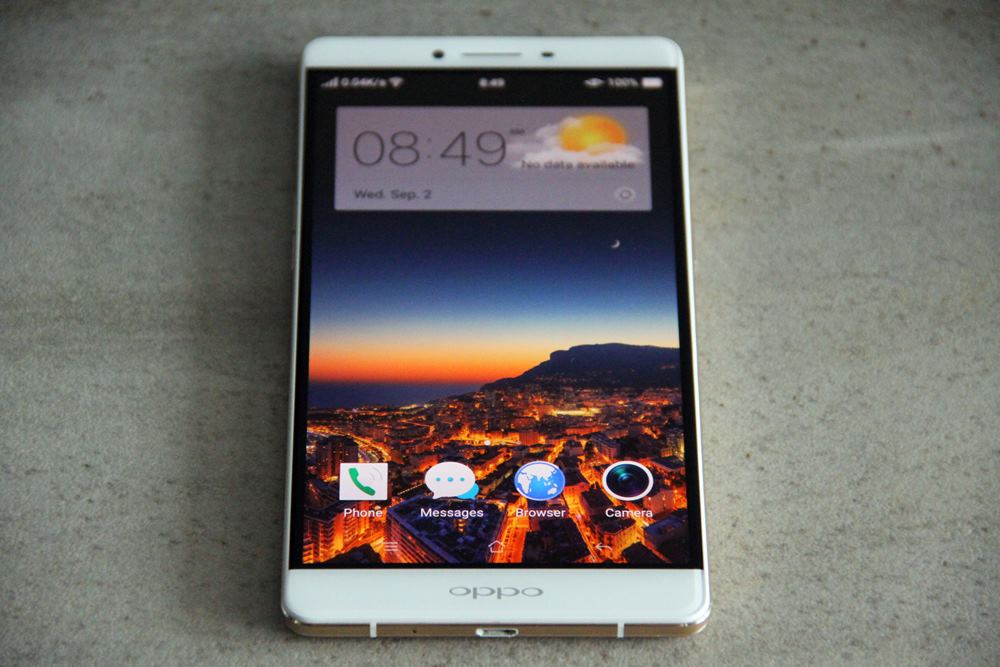
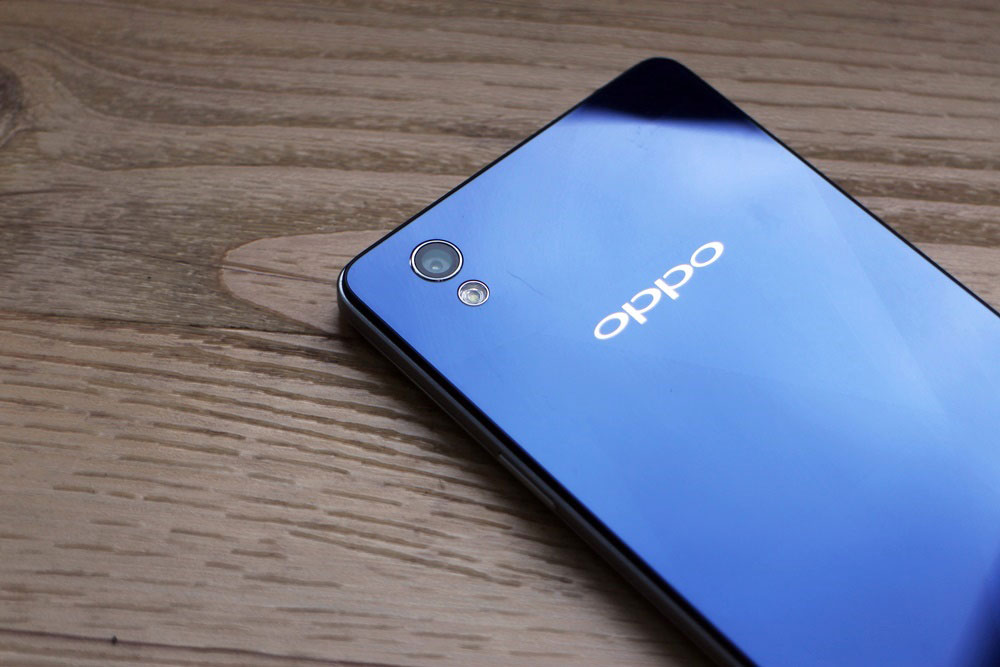
Heads up, Android fans. The OPPO R7 Series, which includes the brilliant R7 Plus I wrote about last week, will be available on Lazada’s Philippine website starting September 15. That’s about a week from today, for those keeping count.

All (known) phones under the R7 Series feature AMOLED displays and 64-bit, octa-core Snapdragon 615 processors wrapped in seamless, all-metal bodies that make them aesthetically similar to the iPhone 6. They also sport contoured-edge Gorilla Glass to make the edges of the front panel feel smoother to the touch.

The OPPO R7 Series will be available on Lazada’s Philippine website starting September 15.

Pricing remains a mystery for now, but chances are the prices will be the same as in other markets. It’s worth noting that in China, the OPPO R7 Plus costs 2,999 Yuan, or around P22,000.


OPPO R7 Plus

Image 1 of 10

OPPO R7 Plus specs:
* Dual SIM with LTE support
* 1.5GHz 64-bit, octa-core Qualcomm Snapdragon 615 CPU
* Adreno 405 GPU
* 3GB RAM
* 32GB internal storage
* microSD card slot (up to 128GB)
* 6-inch AMOLED display with curved-edge Corning Gorilla Glass (1,080 x 1,920 resolution)
* 13-megapixel rear camera with laser autofocus, dual-LED flash
* 8-megapixel front camera
* 4,100mAh battery with VOOC fast charging
* Android 5.1.1 Lollipop

[youtube link=”https://www.youtube.com/watch?v=jothfi-VBjs” width=”560″ height=”315″]

OPPO R7 Plus video review courtesy of Android Authority